How to Return to Running After an Injury: A Physical Therapist's Guide for Huntsville Runners
One of the first questions many injured runners ask is simple: When can I start running again?
The answer isn't always based on how many days or weeks have passed.
A successful return to running depends on the type of injury, your symptoms, current strength and mobility, training history, and your body's ability to tolerate progressively greater loads.
For runners seeking physical therapy in Huntsville, AL, having a structured return-to-running plan can help take the guesswork out of the process.
Step 1: Understand What's Contributing to Your Injury
Before rebuilding mileage, it's important to understand what you're recovering from and what factors may have contributed to the problem.
A physical therapy evaluation can assess your symptoms alongside areas such as strength, mobility, movement, previous injuries, and recent changes in training.
For example, a runner who rapidly increased weekly mileage may require a different strategy than someone returning after surgery or a muscle strain.
Step 2: Rebuild Strength and Capacity
Feeling less pain doesn't automatically mean your body is ready for your previous training schedule.
Running repeatedly loads the muscles, tendons, joints, and bones of the lower body. Rehabilitation should progressively prepare these tissues for those demands.
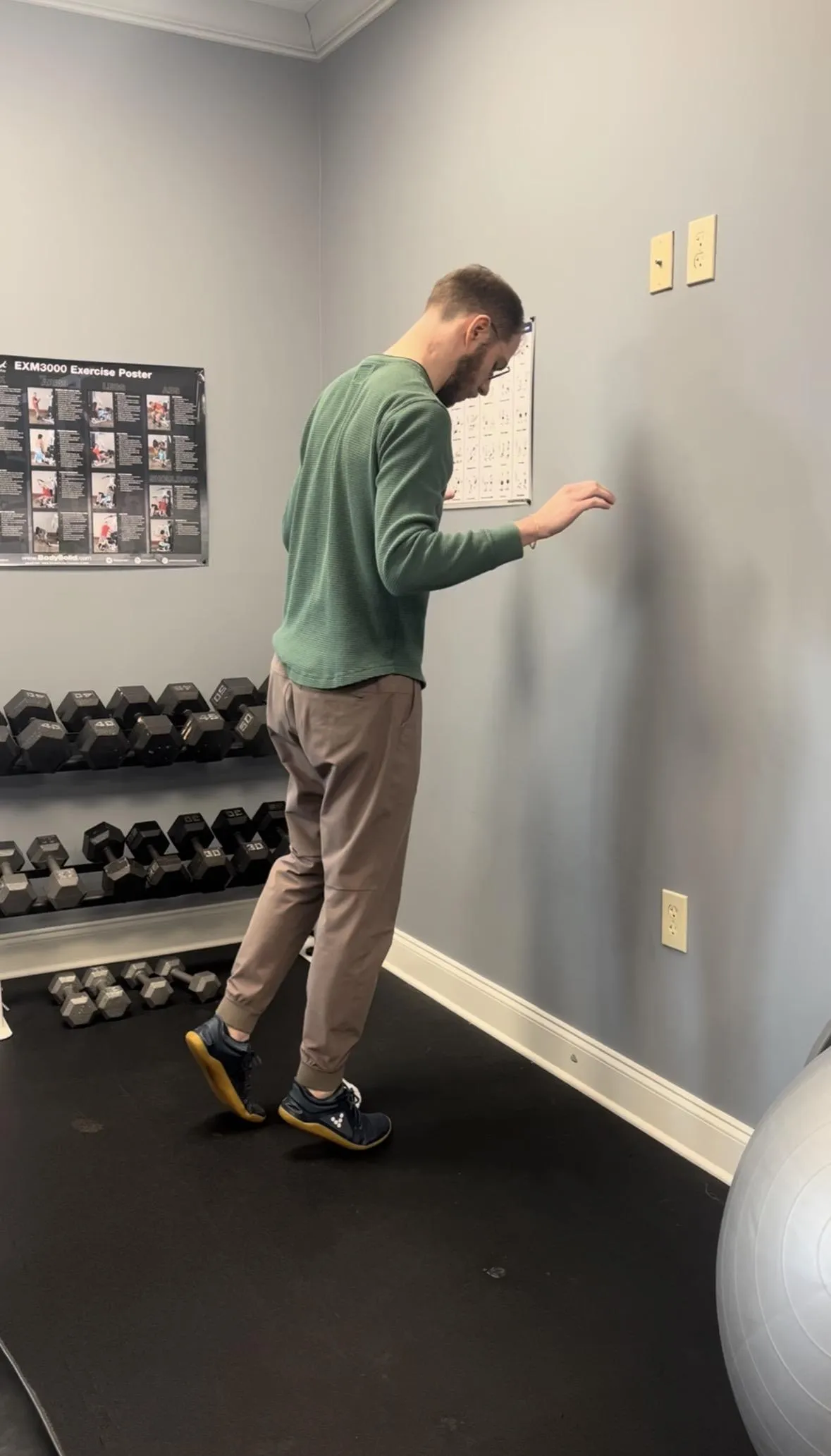
Depending on your injury, your program may target the calves, quadriceps, hamstrings, hips, feet, or other areas.
The goal is to build enough capacity for the next stage of your return—not simply to complete exercises without pain.
Step 3: Gradually Reintroduce Running
Going directly from several weeks without running to your old mileage can create a sudden increase in workload.
A gradual return may begin with shorter running intervals combined with walking or recovery periods. Distance and duration can then progress based on how your body responds.
Your progression should be individualized rather than based solely on what another runner was able to do after a similar injury.
Step 4: Monitor How Your Body Responds
Pay attention to what happens during your run, immediately afterward, and the following day.
Increasing pain, swelling, significant stiffness, or symptoms that progressively worsen can indicate that your current workload needs to be adjusted.
This doesn't always mean returning to complete rest. Sometimes the appropriate response is modifying distance, intensity, frequency, or recovery while continuing rehabilitation.
Step 5: Build Back Toward Your Actual Goal
Returning to a short, easy run is different from being prepared for hills, speed sessions, long runs, or racing.
Your final stages of rehabilitation should reflect what you actually want to return to.
A runner preparing for longer distances may need progressively greater endurance and training volume, while someone returning to faster running may need additional preparation for higher speeds and forces.
Get Back to Running With a Plan
The goal of running injury rehabilitation isn't simply to get you through your first pain-free mile. It's to rebuild your capacity so you can work toward the running that matters to you.
Alliance Physiotherapy works with runners and active adults looking for running injury physical therapy in Huntsville, AL. We provide individualized rehabilitation based on your injury, movement, current abilities, and goals.
If an injury is keeping you off the roads or trails, schedule an evaluation with Alliance Physiotherapy in Huntsville and start working toward your return to running.